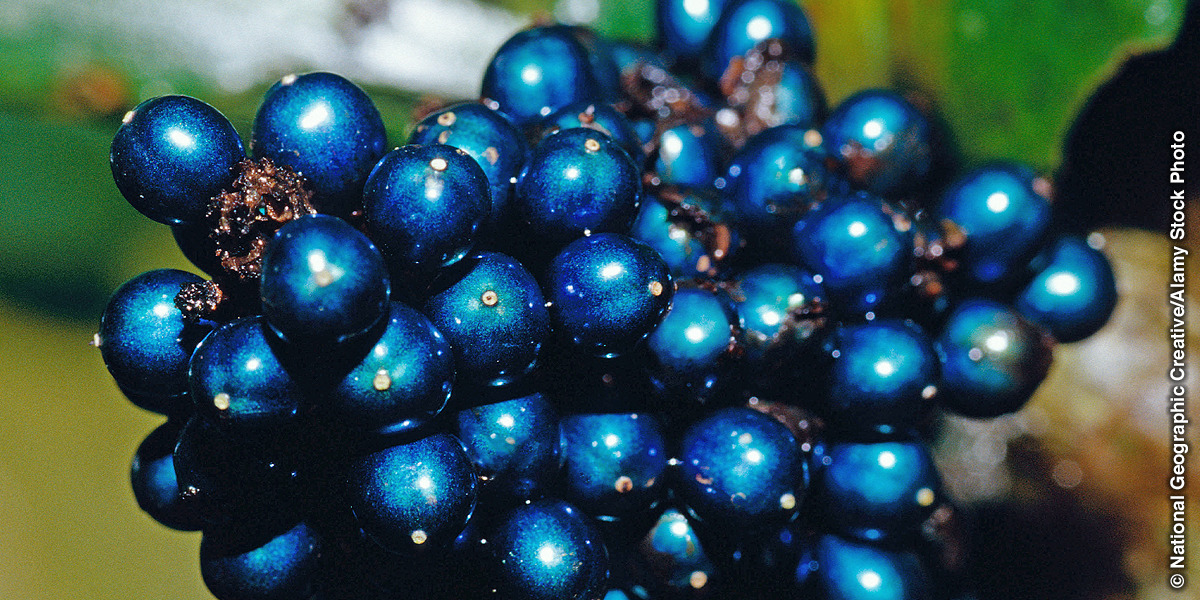
THE small berry of the Pollia condensata plant, found across Africa, exhibits the most intense blue color ever seen in a plant. Yet it has no blue pigment. What is the secret behind its striking color?
Consider: The cell walls in the skin of the berry contain tiny threads arranged like rows of matches. These threads form layers, each layer set off at a slight angle to the layer below, so that the rising layers form a helical, or spiral, pattern. The threads themselves are not colored blue. The color comes from the way the threads are stacked. Thus, structure, not pigment, is the key to the berry’s intense metallic hue and iridescence. Most cells appear blue. But from different angles, some emit a green, pink, or yellow hue because of subtle changes in the layers. Moreover, when examined closely, the colors are not smooth and even but appear pixelated, like the colors on a computer screen.
Since Pollia berries have no pigment, they keep their color even after they drop from the plant. In fact, some berries collected over a century ago look as brilliant as fresh ones! Even though the berry has no edible pulp, just seeds, it sends an irresistible signal to nearby birds, according to researchers.
Scientists believe that the Pollia berry’s pigment-free color could inspire products ranging from fade-resistant dyes to counterfeit-resistant paper.
What do you think? Did the brilliant blue of the Pollia berry come about by evolution? Or was it designed?
Broken marriages, ill health, pangs of conscience—these are just some of the consequences of giving in to temptation. How can we avoid this snare?
What is temptation?
You are tempted when you are attracted to something—especially something wrong. To illustrate, while shopping you see a desirable item. The thought flashes into your mind that you could easily steal the item and not get caught. However, your conscience says no! So you dismiss the thought and move on. At that point, the temptation is over, and you are the victor.
WHAT THE BIBLE SAYS
Being tempted does not make you a bad person. The Bible acknowledges that we all experience temptation. (1 Corinthians 10:13) What really matters is how we act when tempted. Some dwell on the improper desire and sooner or later give in to it. Others promptly dismiss it as wrong.
“Each one is tried by being drawn out and enticed by his own desire.”—James 1:14.
Why is it wise to act quickly when tempted?
The Bible reveals the steps that lead to wrongdoing. James 1:15 says: “The [improper] desire, when it has become fertile [literally, “has conceived,” footnote], gives birth to sin.” Put simply, when we dwell on a wrong desire, we reach a point where our acting on it becomes as inevitable as a pregnant woman’s giving birth. Yet, we can avoid being slaves to improper desires. We can gain the mastery over them
HOW THE BIBLE CAN HELP
Just as our mind can feed improper desires, it can also snuff them out. How? By our focusing on something else—an activity, a conversation with a friend, or a wholesome thought. (Philippians 4:8) It is also helpful to reflect on the consequences of giving in to a temptation, which may include emotional, physical, or spiritual harm. (Deuteronomy 32:29) Prayer too can be a big help. Jesus Christ said: “Pray continually, so that you may not enter into temptation.”—Matthew 26:41.
“Do not be misled: God is not one to be mocked. For whatever a person is sowing, this he will also reap.”—Galatians 6:7.
How can you fortify yourself against temptation?
THE REALITY
See temptation for what it really is—a lure, or bait, that can lead a foolish, naive, or unwary person into danger. (James 1:14, footnote) That is especially true of temptations involving sexual immorality, which can have disastrous consequences.—Proverbs 7:22, 23.
HOW THE BIBLE CAN HELP
“If, now, your right eye is making you stumble,” said Jesus Christ, “tear it out and throw it away from you.” (Matthew 5:29) Of course, Jesus was not speaking literally! Rather, he meant that if we want to please God and gain everlasting life, we must deaden our body members, as it were, in regard to wrongdoing. (Colossians 3:5) That may mean resolutely turning our back on a temptation. “Turn my eyes away from looking at what is worthless,” prayed a faithful man of God.—Psalm 119:37.
Of course, exercising self-control can be difficult. After all, “the flesh is weak.” (Matthew 26:41) So we will make mistakes. However, when we are truly sorry and try hard not to make a habit of doing wrong, our Creator, Jehovah God, “is merciful and compassionate” toward us. (Psalm 103:8) How reassuring that is!
“If errors were what you watch, O Jah, then who, O Jehovah, could stand?”—Psalm 130:3.
PROFESSOR Rajesh Kalaria, of Newcastle University, England, has studied the human brain for more than 40 years. He used to believe in evolution. But later, he changed his views. Awake! asked him about his work and faith.
Please tell us about your religious background.
My father was born in India, and my mother, although of Indian origin, was born in Uganda. Their lives were largely governed by Hindu customs. I am the second of three children. We lived in Nairobi, Kenya. Many other Hindu people lived nearby.
What stimulated your interest in science?
I was always interested in animals, and I often went hiking and camping with my friends to see the spectacular wildlife. My initial goal was to be a veterinary surgeon. But after graduating from a technical college in Nairobi, I went to England to study pathology at the University of London. Later, I specialized in research into the human brain.
Did your studies affect your religious beliefs?
Yes. The more I studied science, the harder I found it to believe in Hindu mythology and traditions, such as the worship of animals and images.
Why did you accept the teaching of evolution?
In my younger years, many people around me held the view that human evolution began in Africa, and we often discussed this idea at school. Also, the teachers and university professors gave us students the impression that all respected scientists believe in evolution.
In time you reconsidered the question of the origin of life. Why?
I had been studying biology and anatomy for some years when a fellow student told me what he was learning about the Bible from Jehovah’s Witnesses. I became curious. So when the Witnesses held an assembly at our college hall in Nairobi, I attended. Later, two Witness missionaries explained some Bible teachings to me. Their belief in a Grand Designer who has the answers to life’s big questions did not sound like mythology. It appealed to me as being reasonable.
Did your medical knowledge hinder your belief in creation?
On the contrary! As I studied anatomy, I saw how well-designed and complex living things are. To attribute such a high level of sophistication to an unguided process no longer made sense to me.
Can you give us an example?
I have studied the human brain since the early 1970’s, and this remarkable organ never ceases to amaze me. It is the seat of thought and memory and the control center for many bodily functions. The brain is also the hub of our many senses, interpreting information that comes from both inside and outside the body.
Our brain functions the way it does largely because of its complex chemistry and intricate networks of neurons, the primary brain cells. The human brain has many billions of neurons, which communicate with one another through long fibers called axons. From these, a single neuron may make many thousands of connections with other neurons by way of branching fibers called dendrites. As a result, the total number of connections in the brain is astronomical! What is more, this dense forest of neurons and dendrites is, not chaotic, but precise. It is an amazing feat of “wiring.”
Please explain.
The wiring progresses in a most orderly way during a baby’s development in the womb as well as postnatally. Neurons send out fibers to target neurons that may be a few centimeters away—a vast distance on the cellular level. The target of a fiber, by the way, may be not just a specific cell but a specific part of that cell.
As a new fiber branches out from a neuron, it is guided by chemical signposts that say such things as “stop,” “go,” or “turn” until the fiber reaches its target. Without clear instructions, growing fibers would soon get lost. The whole process is brilliantly orchestrated, starting with the instructions written in our DNA.
That said, we are far from understanding fully how the brain develops and functions, including how it forms memories, emotions, and thoughts. For me, just the fact that the brain works—not to mention how well it works and how beautifully it develops—points to a mind far superior to our own.
Why did you become one of Jehovah’s Witnesses?
The Witnesses showed me evidence that the Bible is God’s Word. For example, the Bible is not a science book, but when it touches on scientific matters, it is consistently correct. It also contains accurate prophecies. And it improves the lives of those who apply its teachings. My own life is evidence of that. Since I became one of Jehovah’s Witnesses in 1973, the Bible has been my guidebook. As a result, my life has become truly satisfying and purposeful.
A HORSE (Equus caballus) can gallop at a speed of up to 30 miles per hour (50 km/h). Although this involves considerable mechanical work, relatively little energy is spent. How is this possible? The secret is in the horse’s legs.
Consider what occurs when a horse gallops. Elastic muscle-tendon units absorb energy when the leg steps onto the ground, and much like a spring, they return it, propelling the horse forward.
Furthermore, at a gallop the horse’s legs vibrate at high frequencies that could injure its tendons. However, the muscles in the legs act as dampers. Researchers call this structure a “highly specialized muscle-tendon design” that provides both agility and strength.
Engineers are trying to imitate the design of the horse’s legs for use in four-legged robots. However, according to the Biomimetic Robotics Laboratory of the Massachusetts Institute of Technology, the complexity of this design cannot be easily duplicated with current materials and engineering knowledge.
What do you think? Did the structure of the horse’s legs come about by evolution? Or was it designed?
Researchers say that dogs can use their sense of smell to detect the age, gender, and mood of other dogs. Dogs can even be trained to detect explosives and illegal drugs. While humans mainly use sight to investigate their surroundings, dogs use their sense of smell. They “read” with their nose.
Consider: A dog’s sense of smell is thousands of times more refined than ours. According to the U.S. National Institute of Standards and Technology, a dog “can detect certain compounds at parts per trillion. This feat is the equivalent of tasting about a quarter teaspoon of sugar dissolved in an Olympic-sized swimming pool.”
What accounts for the dog’s superior sense of smell?
A dog’s nose is wet and is therefore better able to capture scent particles.
A dog’s nose has two airways—one for breathing, another for smelling. When a dog sniffs, air is directed to the part of the nasal cavity that contains scent receptors.
A dog’s olfactory region can measure 130 square centimeters (20 sq in.) or more, whereas a human’s measures only 5 square centimeters (0.8 sq in.).
A dog can have up to 50 times as many scent receptor cells as we do.
All of this enables a dog to differentiate between the components of a complex scent. For example, we can smell soup, but a dog can detect every ingredient in the recipe, according to some experts
Researchers at the Pine Street Foundation, a cancer research institute, say that the dog’s brain and nose work together to be “one of the most sophisticated odor detection devices on the planet.” Scientists are developing electronic “noses” to detect explosives, contraband, and disease, including cancer.
What do you think? Did the dog’s sense of smell evolve? Or was it designed
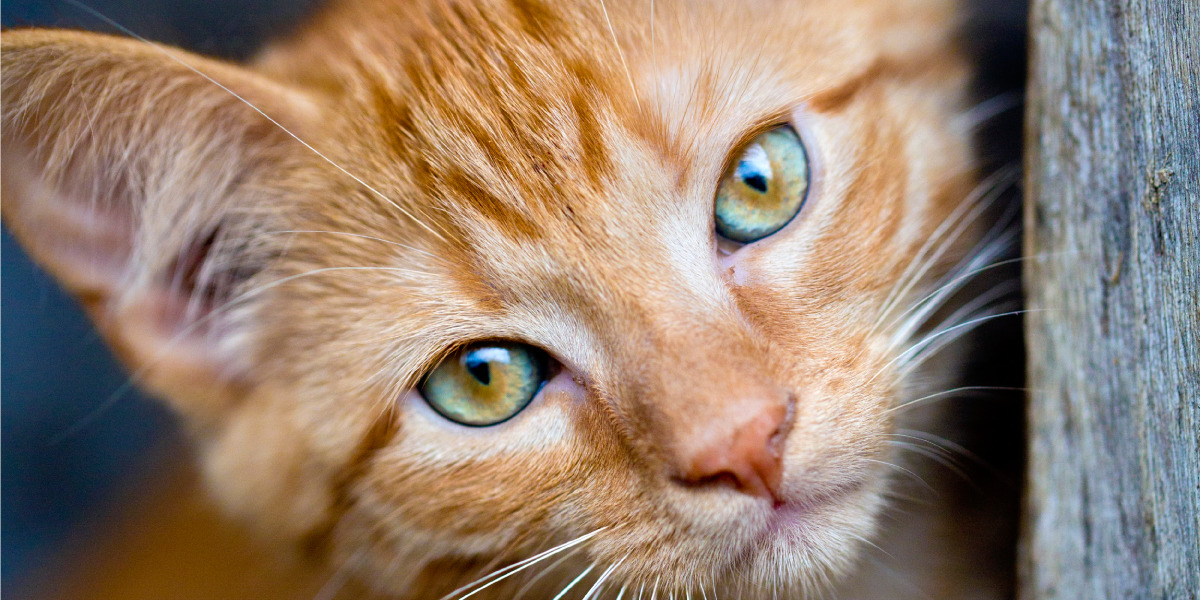
DOMESTIC cats are mostly nocturnal. Whiskers apparently help them to identify nearby objects and catch prey, particularly after dusk.
Consider: Cats’ whiskers are attached to tissues that have multiple nerve endings. These nerves are sensitive to even the slightest movement of air. As a result, cats can detect nearby objects without seeing them—obviously an advantage in the dark.
Since whiskers are sensitive to pressure, cats use them to determine the position and movement of an object or of prey. Whiskers also help cats to measure the width of an opening before they attempt to go through it. The Encyclopædia Britannica acknowledges that “the functions of the whiskers (vibrissae) are only partially understood; however, it is known that, if they are cut off, the cat is temporarily incapacitated.”
Scientists are designing robots equipped with sensors that mimic cat whiskers to help the robots navigate around obstacles. These sensors, called e-whiskers, “should have a wide range of applications for advanced robotics, human-machine user interfaces, and biological applications,” says Ali Javey, a faculty scientist at the University of California, Berkeley.
What do you think? Did the function of cat whiskers come about by evolution? Or was it designed?
MANY aquatic mammals that live in cold waters have a thick layer of blubber under the skin to help them stay warm. The sea otter relies on another insulation method—a thick fur coat.
Consider: The fur of the sea otter is denser than that of any other mammal, with some one million hairs per square inch (155,000 per sq cm). When the otter swims, its coat traps a layer of air close to its body. That air acts as an insulator, preventing the cold water from coming into direct contact with the animal’s skin and sapping its body heat.
Scientists believe that there is a lesson to be learned from the sea otter’s fur. They have experimented with a number of artificial fur coats, varying such factors as hair length and hair spacing. The researchers have concluded that “the denser and the longer the hairs are, the dryer or the more water-repellent the hairy surface is.” Put another way, sea otters can boast a truly efficient fur coat.
Researchers hope that their studies will lead to technological advances in the design and production of novel water-repellent textiles. This may lead some to wonder whether people who have to dive in cold waters may not be better off wearing a hairy wet suit—one similar to that of the sea otter!
What do you think? Did the heat-insulating fur of the sea otter evolve? Or was it designed?
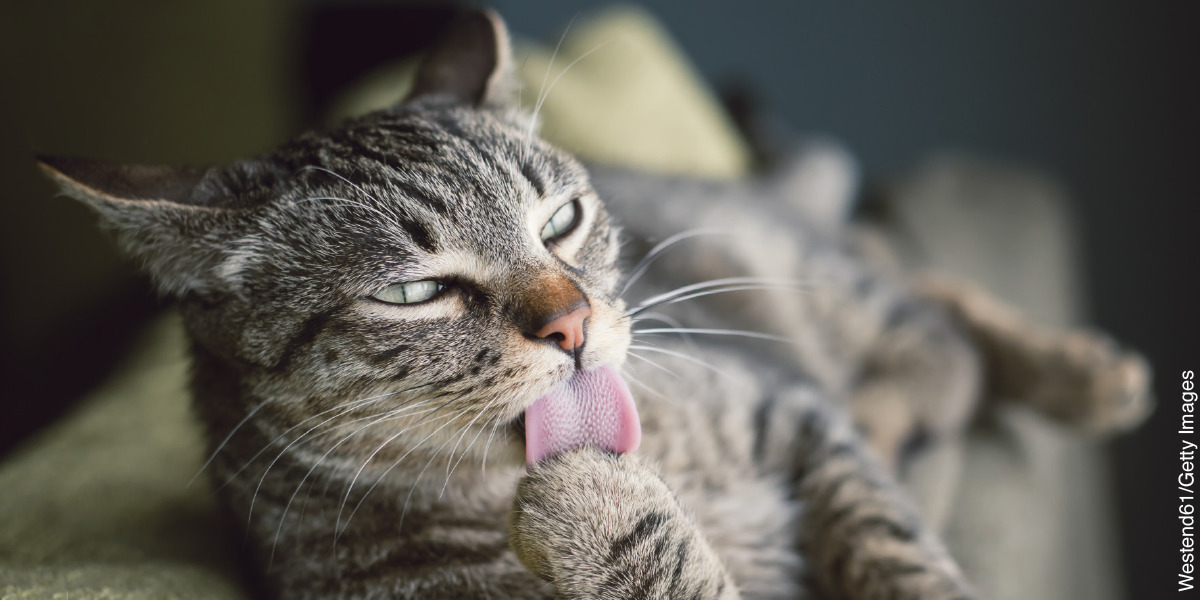
Domestic cats are known for their grooming habits. They may devote 24 percent of their waking hours to grooming. This cleaning habit owes its efficiency to the cat’s amazingly equipped tongue.
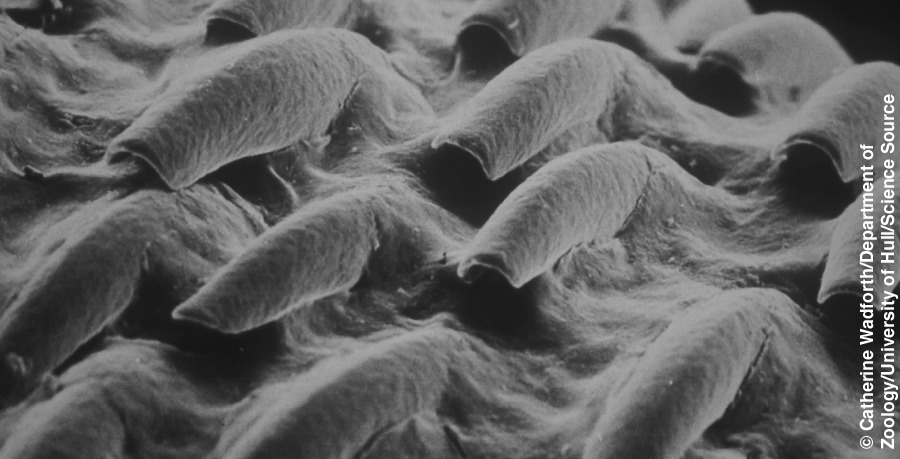
Consider: The cat’s tongue is covered with 290 papillae, tiny backward-facing spines that are about as stiff as your fingernail. Each papilla has a groove that instantly picks up saliva when the tongue is drawn into the cat’s mouth. As the cat licks its fur, the papillae reach down through the hairs and release the saliva onto the skin.
An enlarged view of the papillae
A cat’s tongue can transfer about 48 milliliters (1.6 oz) of saliva to its skin and fur every day. This saliva contains enzymes that break down contaminants. Additionally, as the saliva evaporates, it provides almost one quarter of the cat’s body cooling—essential because cats have few sweat glands.
If one of the papillae hits a tangle, it swings deeper into the fur, which substantially increases the force and pulls the snag loose. The tips of the papillae may also stimulate the skin when the cat is grooming. Researchers imitated the properties of the cat’s tongue when they made an experimental hairbrush. This brush combs hair with less force than a standard hairbrush and can be cleaned more easily—plus it unsnarls tangles. The researchers believe that the cat’s tongue could inspire the development of better ways to clean hairy and shaggy surfaces. It may also be used to improve methods of applying lotions or medications onto skin that is covered with hair.
What do you think? Did the cat’s tongue evolve? Or was it designed?
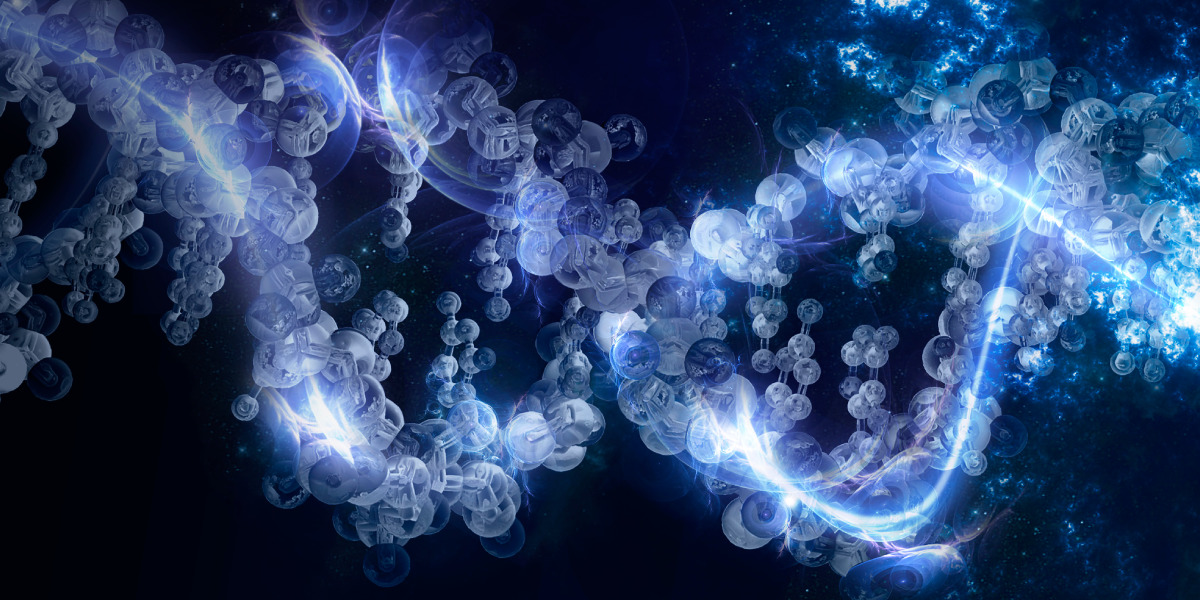
COMPUTER users generate enormous amounts of digital data that has to be stored for access as needed. Scientists are hoping to revolutionize current methods for digital storage by imitating a far superior data-storage system found in nature—DNA.
Consider: DNA, found in living cells, holds billions of pieces of biological information. “We can extract it from bones of woolly mammoths . . . and make sense of it,” says Nick Goldman of the European Bioinformatics Institute. “It’s also incredibly small, dense and does not need any power for storage, so shipping and keeping it is easy.” Could DNA store man-made data? Researchers say yes.
Scientists have synthesized DNA with encoded text, images, and audio files, much as digital media stores data. The researchers were later able to decode the stored information with 100 percent accuracy. Scientists believe that in time, using this method, 0.04 ounce (1 g) of artificial DNA could store the data of some 3,000,000 CDs and that all this information could be preserved for hundreds if not thousands of years. Potentially, this system could store the whole world’s digital archive. DNA has thus been dubbed “the ultimate hard drive.”
What do you think? Could the storage capacity of DNA have come about by evolution? Or was it designed?
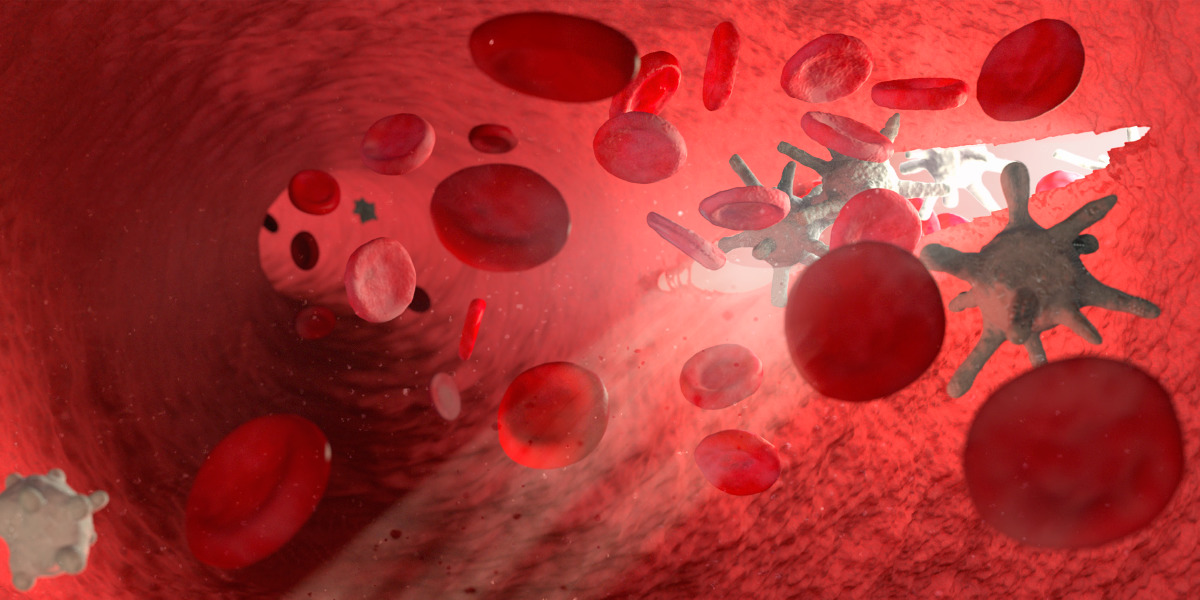
AMONG the numerous mechanisms that make human life possible is the body’s ability to heal wounds and regenerate damaged tissue. The process begins as soon as an injury occurs.
Consider: The healing process is made possible by a cascade of complex cellular functions:
Platelets adhere to tissues around a wound, forming a blood clot and sealing damaged blood vessels.
Inflammation protects against infection and removes any “debris” caused by the injury.
Within days, the body begins to replace injured tissue, make the wound contract, and repair damaged blood vessels.
Finally, scar tissue remodels and strengthens the damaged area.
Inspired by blood clotting, researchers are developing plastics that can “heal” damage to themselves. Such regenerating materials are equipped with tiny parallel tubes containing two chemicals that “bleed” when any damage occurs. As the two chemicals mix, they form a gel that spreads across the damaged areas, closing cracks and holes. As the gel solidifies, it forms a tough substance that restores the material’s original strength. One researcher admits that this synthetic healing process currently under development is “reminiscent” of what already exists in nature.
What do you think? Did the body’s ability to repair wounds come about by evolution? Or was it designed?






 Worldwide Footstep Articles & Ads