Why Reject Pornography?

A boy being invited by other boys to view pornography on a cell phone

YOUNG PEOPLE ASK

 Do you have what it takes?

If you use the Internet, expect that sooner or later you will encounter some type of pornography. “You don’t even have to look for it anymore,” says 17-year-old Hayley. “It looks for you.”

Pornography can tempt even those who are determined to avoid it. “I told myself that I wouldn’t let my guard down, but I did,” says Greg, 18. “You can never say it won’t happen to you.”

Today, pornography is easier to access than ever before. And with the advent of sexting, many teens manufacture and distribute their own pornography.

The bottom line: You face a greater challenge than your parents or grandparents did when they were your age. The question is, Do you have what it takes to reject pornography?​—Psalm 97:10.

The answer is yes​—if you choose to. But first you need to be convinced that pornography is bad. Let’s consider a few myths and facts about the topic.

 Myths and facts

Myth: Pornography won’t hurt me.

Fact: Pornography does to your mind what smoking does to your lungs. It pollutes you. It degrades something that God created to be a powerful and lasting bond between two people. (Genesis 2:​24) In time, it can even cause you to become callous to what is right and wrong. For example, some experts state that men who regularly view pornography are more likely to have a callous attitude toward violence against women.

1. A man smoking a cigarette pollutes his lungs; 2. A man viewing pornography pollutes his brain

The Bible describes some people who come to be “past all moral sense.” (Ephesians 4:19) Their conscience becomes insensitive to the point that they no longer feel pain over doing bad things.

Myth: Pornography can teach you about sex.

Fact: Pornography teaches you about greed. It reduces people to mere objects and implies that they exist solely for your selfish pleasure. Not surprisingly, one study concluded that those who habitually view pornography are less likely to experience sexual fulfillment after marriage.

The Bible tells Christians to shun “sexual immorality, uncleanness, uncontrolled sexual passion, hurtful desire, and greediness”​—all things that pornography promotes.​—Colossians 3:5.

Myth: Those who reject pornography are just prudish about sex.

Fact: People who reject pornography have an elevated view of sex. They see that it is a gift created by God to enhance the bond between a man and a woman who are married and committed to each other. Those with that view are likely to experience greater sexual fulfillment after marriage.

The Bible is up front about sex. For example, it tells husbands: “Rejoice with the wife of your youth . . . May you be captivated by her love constantly.”​—Proverbs 5:​18, 19.

 How to reject pornography

What if you feel that the temptation to look at pornography is too powerful to resist? The worksheet “How to Reject Pornography” can help you.

Be assured that you can reject the temptation to look at pornography. You can also learn to stop viewing pornography if you have already started. You have everything to gain by doing so.

Consider Calvin, who admits that he developed a habit of viewing pornography at about age 13. “I knew it was wrong,” Calvin says, “but I just couldn’t overcome the temptation to look at it. And after doing so, I would feel just horrible. Eventually, my dad found out​—and to be honest, I was so relieved! Finally, I was able to get the help I needed.”

Calvin has learned to reject pornography. He says: “Getting involved with pornography was a big mistake that I’m still paying for because the images replay in my mind. And at times I’m still tempted to think about what I could see if I were to look at things that I shouldn’t. But then I think about how happy, how clean, and how bright my future is when I do things Jehovah’s God’s way.”


How Can I Explain My Beliefs About Sex?

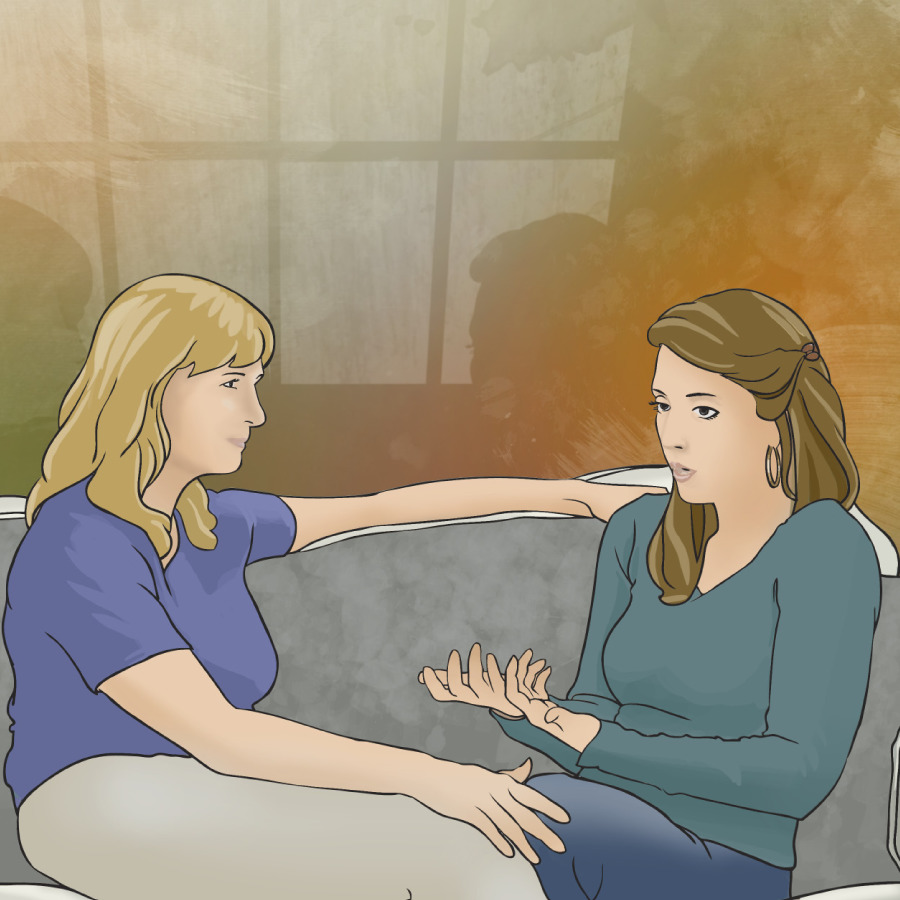
A teenage girl being asked to explain her beliefs about sex

YOUNG PEOPLE ASK

“What​—you’re still a virgin?”

If you want to give an answer and your answer is yes, would you like to be able to say it with confidence? This article will help you!

 What is a virgin?

A virgin is someone who has never had sexual intercourse.

But, of course, intercourse is not the only form of sexual activity. Some may label themselves as “technical virgins” because they haven’t had intercourse​—even if they’ve done just about everything else.

The word “sex” can refer, for example, to such things as oral sex, anal sex, or masturbating another person.

The bottom line: People who have engaged in sex​—including oral sex, anal sex, or masturbating another person​—cannot say that they are virgins.

 What does the Bible say about sex?

The Bible says that sexual activity should take place only between a man and a woman who are married to each other. (Proverbs 5:​18) Therefore, a person who wants to please God should not engage in sexual activity until he or she gets married.​—1 Thessalonians 4:​3-5.

Some say that the Bible’s view is old-fashioned and completely out of touch with our modern world. Keep in mind, though, that our modern world is plagued with divorce, unwanted pregnancies, and sexually transmitted diseases. Really, our modern world is in no position to dole out advice about morals!​—1 John 2:​15-​17.

When you think about it, the Bible’s moral code makes sense. To illustrate: Suppose that someone gave you a gift of $1,000 in cash. Would you throw the money from a rooftop for just anyone passing by to pick up?

You face a similar decision with regard to sex. “I don’t want to throw away my virginity on someone whose name I may not even remember years from now,” says 14-year-old Sierra. Tammy, 17, would agree. “Sex is too special a gift to waste,” she says.

The bottom line: The Bible upholds virginity and clean conduct as the standard for those who aren’t yet married.​—1 Corinthians 6:​18; 7:​8, 9.

 What do you believe?

  • Do you believe that the Bible’s view of sex is reasonable or too strict?
  • Do you believe that sex is OK if two unmarried people say that they really love each other?

After carefully weighing the matter, many young people have concluded that virginity and clean conduct are the best choice. They neither regret that decision nor feel deprived. Consider what some of them have to say:

  • “I’m glad I’m a virgin! There’s nothing wrong with avoiding the mental, physical, and emotional pain that comes along with having premarital sex.”​—Emily.
  • “I’m glad I don’t have a list of failed sexual relationships, and it feels great knowing that there isn’t even the slightest chance I have an STD.”​—Elaine.
  • “I’ve heard several girls my age and older say that they regret having had sex and that they wish they had waited, and I don’t want to make the same mistake.”​—Vera.
  • “I’ve seen so many people with emotional scars and baggage because of losing their virginity or having multiple partners. In my opinion, that’s a sad way to live.”​—Deanne.

The bottom line: You need to know what you believe before you face pressure or temptation to have sex.​—James 1:​14, 15.

 How can you explain your belief to others?

A teenage girl explains her beliefs to a fellow student

What should you say if someone questions your belief about sex? Much depends on the circumstances.

“If someone was teasing me and that was their only motive, I wouldn’t just stand there and take it. I would say, ‘That’s none of your business,’ and I would walk away.”​—Corinne.

“Unfortunately, some people at school enjoy bullying others just for the fun of it. If that was their intention in questioning me, I might not reply at all.”​—David.

Did you know? At times, Jesus used silence to “answer” ridiculers.​—Matthew 26:62, 63.

But what if the person questioning you is respectfully sincere? If you think that the person might respect the Bible, you could refer to a passage such as 1 Corinthians 6:​18, which says that the person who has premarital sex is sinning against, or harming, his or her own body.

Whether you use the Bible right away or not, it’s important that you speak with conviction. Remember, you have every right to be proud of your choice to remain morally clean.​—1 Peter 3:​16.

“Responding with confidence shows that you don’t question or doubt your beliefs and that you do what you do because it’s right, not just because it’s what you were told to do.”​—Jill.

The bottom line: If you have confidence in your stand on sex, you will be able to explain it to others. And you might be surprised at their response. “My coworkers have actually commended me for my virginity,” says 21-year-old Melinda. “They don’t see it as weird. They see it as a mark of self-control and virtue.”

Tip! If you need help developing your convictions about sex, download the worksheet “How to Explain Your Beliefs About Sex.” Also, check out the book Questions Young People Ask​—Answers That Work.

  • Chapter 24 of Volume 1 is entitled “Will Sex Improve Our Relationship?”
  • Chapter 5 of Volume 2 is entitled “Why Stay a Virgin?”
Victoria

“I love the reasoning in the ‘Young People Ask’ books. For example, page 187 of Volume 1 illustrates how engaging in premarital sex is like giving away a costly necklace for free. You cheapen yourself. Page 177 shows how engaging in premarital sex is like taking a beautiful painting and using it as a doormat. But my favorite illustration is on page 54 of Volume 2. The caption says: ‘Engaging in premarital sex is like opening a gift before it has been given to you.’ It’s as if you’re stealing something that belongs to someone else​—your future mate.”​—Victoria

What Should I Know About Sexting?

YOUNG PEOPLE ASK

 What is sexting?

“Sexting” is the practice of sending sexually explicit texts, photos, or videos via cell phone. “It’s almost the normal order of operation now,” says one man. “You text back and forth and pretty soon you’re exchanging hot photos.”

Why do people do it? The way some teenagers see it, “having a naked picture of your significant other on your cellphone is an advertisement that you’re sexually active,” says a senior deputy prosecuting attorney quoted in The New York Times. “It’s an electronic hickey.” One teenager even calls it a form of “safe sex.” After all, she says, “you can’t get pregnant from it and you can’t transmit S.T.D.’s.”

Other reasons teenagers sext include the following:

  • To flirt with someone they hope to be in a relationship with.
  • Because someone has already sent them an explicit photo and they feel pressured to ‘return the favor.’

 What are the consequences of sexting?

Once you send a photo via cell phone, you no longer own it, nor can you control how it might be used​—or how it will affect your reputation. “Mistakes and transgressions have never been so easily transmitted and archived for others to see,” says Amanda Lenhart, senior research specialist and author of a Pew Research Center report on sexting.

In some cases

  • Nude photos have been mass-forwarded by the recipient to entertain his friends.
  • Jilted boyfriends have distributed nude photos as a way to get revenge.

DID YOU KNOW? In many cases, sexting nude photos has been considered the same as child abuse or distributing child pornography. Some minors who have sexted have even been prosecuted as sex offenders.

 What does the Bible say?

The Bible speaks favorably of sexual pleasure within marriage. (Proverbs 5:​18) However, it takes a clear stand on sexual conduct between unmarried persons. Consider the following Bible verses:

  • “Let fornication and uncleanness of every sort or greediness not even be mentioned among you, . . . neither shameful conduct nor foolish talking nor obscene jesting.”​—Ephesians 5:​3, 4.
  • “Deaden . . . your body members that are upon the earth as respects fornication, uncleanness, sexual appetite, hurtful desire, and covetousness.”​—Colossians 3:5.

Those verses warn not only against “fornication” (sexual relations outside of marriage) but also against such things as “uncleanness” (a broad term that refers to any type of moral impurity) and “sexual appetite” (referring not to normal romantic feelings that can be satisfied in marriage but to a passion that likely will lead to improper conduct).

Ask yourself:

  • How is sexting nude photos a form of “uncleanness”?
  • In what way does it fuel improper “sexual appetite”?
  • Why is the desire to view or spread nude photos “hurtful”?

The following Bible passages point to an even more compelling reason to shun sexting.

  • “Do your utmost to present yourself approved to God, a workman with nothing to be ashamed of.”​—2 Timothy 2:​15.
  • “What sort of persons ought you to be in holy acts of conduct and deeds of godly devotion!”​—2 Peter 3:​11.

Those verses describe the positive results of being morally upright. When you have praiseworthy conduct, you do not need to be fearful of impulsive acts coming back to haunt you.​—Galatians 6:7.

Ask yourself:

  • What sort of person am I?
  • Do I care about the reputation of others?
  • Do I want to be entertained by something that hurts others?
  • How might sexting affect my reputation?
  • How might sexting damage the trust my parents have in me?

TRUE STORY “I have a friend who kept her relationship with a boy a secret. Then she sent a nude photo of herself to him, and he sent one of himself to her. Not even 48 hours later, her dad decided to check her phone. He discovered the texts, and he was devastated. He confronted her, and she admitted to everything. I know she’s sorry for the way she acted, but her parents were truly in shock and were so upset! They’re not even sure if they can trust her anymore.”

Fact of life: Sexting degrades both the sender and the viewer. “It makes me feel so disgusted and disappointed with myself,” says one teenager whose boyfriend pressured her into sexting him.

In view of the moral, ethical, and possible legal consequences of sexting, you would do well to follow the Bible’s advice:

  • “Flee from the desires incidental to youth.”​—2 Timothy 2:22.
  • “Make my eyes pass on from seeing what is worthless.”​—Psalm 119:37.

 What would you do?

Apply the Bible’s advice in a real-life situation. Read Janet’s statement, and then choose which option you think is best.

“One time I met a boy, and we exchanged numbers. Within a week he was asking me to send him pictures of me in a bikini.”​—Janet.

What do you think Janet should have done? What would you do?

  • OPTION A You could reason: ‘There’s nothing wrong with that. After all, if we went to the beach, he would see me in a bathing suit anyway.’
  • OPTION B You could reason: ‘I’m not sure what he’s up to. Let me send a photo that’s less revealing and see what happens after that.’
  • OPTION C You could reason: ‘This boy is out for only one thing. I’m going to delete his message.’

Option C seems best, doesn’t it? After all, the Bible says: “Sensible people will see trouble coming and avoid it, but an unthinking person will walk right into it and regret it later.”​—Proverbs 22:3Good News Translation.

This exercise points to an issue that is often at the root of sexting as well as other forms of misconduct: Are you selective in your choice of friends? (Proverbs 13:20) “Associate with people you know will not tolerate inappropriate behavior,” says a young woman named Sarah. A young woman named Delia would agree. “Some so-called friends are trying, not to help you keep your morals, but to break them,” she says. “If their conduct is contrary to God’s laws, they are encouraging you to break your moral integrity. Do you really want that?”

BE CYBER-SAVVY!

  • Never take or send a photo of yourself that you wouldn’t want your parents to see.
  • Assume that any picture you send will be seen by others, with or without your permission.
  • Before deleting any explicit photo you receive, report it to an adult​—perhaps a parent, a teacher, or a school counselor

Should We Break Up? (Part 2)

YOUNG PEOPLE ASK


First, choose a proper setting for the discussion. What could that be?

Well, think about how you would like to be treated. (Matthew 7:​12) Would you want the announcement to be made in front of others? Likely not.

Unless circumstances make it advisable, it would be best not to terminate a relationship by means of a telephone answering machine, a text message, or an e-mail. Instead, choose a time and place that will enable you to discuss this serious matter.

What should you say when the time comes to speak up? The apostle Paul urged Christians to “speak truth” with one another.​—Ephesians 4:​25.

The best course, then, is to be tactful yet firm. State clearly why you feel that this relationship won’t work for you.

You don’t need to recite a laundry list of faults or let loose with a barrage of criticism. In fact, instead of saying, “You don’t do this” or “You never do that,” it would be better to use phrases that focus on how you feel​—“I need a person who . . .” or “I feel that this relationship should end because . . .”

This is no time to be wishy-washy or to yield to another’s opinion. Remember, you have chosen to break up for a serious reason. So be cautious if your friend attempts to change your mind through subtle forms of manipulation. “After I ended the relationship,” says a young woman named Lori, “my ex-boyfriend started acting depressed all the time. I think he did it to make me feel sorry for him. I did feel bad. But I didn’t allow his reaction to alter my decision.” Like Lori, know your own mind. Stick to your decision. Let your no mean no.​James 5:​12.

Should We Break Up ( part 1)

YOUNG PEOPLE ASK

Sometimes a breakup is a blessing. Consider the experience of Jill. “At first,” she says, “I was flattered that my boyfriend was always worrying about where I was, what I was doing, and whom I was with. But it got to the point where I couldn’t spend time with anyone but him. He even got jealous when I spent time with my family​—especially my father. When I ended the relationship with my boyfriend, I felt as if a huge weight had been lifted off my shoulders!”

Sarah had a similar experience. She began to notice that John, the young man she was dating, was sarcastic, demanding, and rude. “One time,” Sarah recalls, “he came to the door three hours late! He ignored my mother when she answered the door, and then he said: ‘Let’s go. We’re late.’ Not ‘I’m late,’ but ‘We’re late.’ He should have apologized or explained himself. Most of all, he should have shown my mother respect!”

Of course, a single disappointing act or trait doesn’t necessarily doom a relationship. (Psalm 130:3) But when Sarah realized that John’s rudeness was a pattern rather than an isolated incident, she decided to end the relationship.

What if, like Jill and Sarah, you determine that the person you’re dating wouldn’t make a suitable marriage partner? In that case, do not ignore your feelings! Hard as it is to accept, it might be best to end the relationship. Proverbs 22:3 says: “Shrewd is the one that has seen the calamity and proceeds to conceal himself.”

True, breaking up may not be easy. But marriage is a permanent bond. It’s better to live with short-term pain now than suffer with lifelong regret later!

Is This Person Right for Me?

YOUNG PEOPLE ASK

Have you found someone who might be a good marriage partner? If so, how can you tell if that person is right for you?

It’s vital that you look beyond superficial traits. After all, the cutest girl may not be trustworthy or the most popular boy may not be morally upright. You want someone you’ll be comfortable with​—someone who truly fits your personality and your goals.​—Genesis 2:18; Matthew 19:​4-6.

Looking Beyond the Surface

Look at your friend objectively. Be careful, though! You might be inclined to see only what you want to see. So take your time. Try to perceive your friend’s true nature.

Many who date don’t look beyond the surface. Instead, they quickly point to the things they have in common: “We like the same music.” “We enjoy the same activities.” “We agree on everything!” However, you need to look beyond superficial traits. You need to discern “the secret person of the heart.” (1 Peter 3:4; Ephesians 3:16) Rather than focus on how much you agree on things, it might be more revealing to note what happens when you disagree.

For example, consider the following:

  • How does this person handle conflict​—by insisting on his or her way, perhaps giving in to “fits of anger” or “abusive speech”? (Galatians 5:​19, 20; Colossians 3:8) Or does this person show reasonableness​—a willingness to yield for the sake of peace when no issue of right or wrong is at stake?​—James 3:17.
  • Is the person manipulative, possessive, or jealous? Does he or she demand to know your every move? “I hear of dating couples who fight because one person can’t stand that the other hasn’t constantly ‘checked in,’” says Nicole. “I think that’s a bad sign.”​—1 Corinthians 13:4.
  • How is that one viewed by others? You may want to talk to those who have known this person for some time, such as mature ones in the congregation. That way you will know if he or she is “well reported on.”​—Acts 16:​1, 2.

Am I Ready for Marriage?

YOUNG PEOPLE ASK

Before you can answer that question, you need to know yourself well. For example, consider the following factors:

Relationships

How do you treat your parents and siblings? Do you often lose your self-control with them, perhaps using harsh or sarcastic language to make a point? What would they say about you in that regard? How you deal with family members indicates how you will treat a mate.​—Ephesians 4:31.

Demeanor

Are you positive or pessimistic? Are you reasonable, or do you always insist on doing things a certain way—your way? Can you keep calm when under pressure? Are you patient? Cultivating the fruitage of God’s spirit now will help you prepare for being a husband or a wife later.​—Galatians 5:22, 23.

Finances

How well do you handle money? Are you often in debt? Can you hold down a job? If not, why not? Is it because of the job? The employer? Or is it because of some habit or trait that you need to work on? If you have trouble handling your own finances, how will you manage those of a family?​—1 Timothy 5:8.

Spirituality

If you’re one of Jehovah’s Witnesses, what are your spiritual attributes? Do you take the initiative to read God’s Word, to engage in the ministry, and to participate at Christian meetings? The person you marry deserves nothing less than a spiritually strong partner.​—Ecclesiastes 4:9, 10.

The more you understand yourself, the better equipped you will be to find someone who will amplify your strengths rather than your weaknesses.

Am I Ready to Date?

YOUNG PEOPLE ASK

 What is dating?

  • You regularly go out with a certain member of the opposite sex. Are you dating?
  • You and a member of the opposite sex are attracted to each other. Several times a day, you send text messages or talk to this person on the phone. Are you dating?
  • Every time you get together with your friends, you pair off with the same person of the opposite sex. Are you dating?

You most likely had no problem answering the first question. But you may have paused before responding to the second and the third. What exactly is dating?

Really, dating is any social activity in which your romantic interest is focused on one particular person and that person’s interest is focused on you.

So the answer to all three questions is yes. Whether on the phone or face-to-face, in the open or in secret, if you and a friend of the opposite sex have a special romantic understanding and communicate regularly, it’s dating.

 What is the purpose of dating?

Dating should have an honorable purpose—to help a young man and woman determine if they want to get married to each other.

Granted, some of your peers might take a casual view of dating. Perhaps they simply enjoy being with a special friend of the opposite sex, without any intention of marriage. Some might even view such a friend as little more than a trophy or an accessory to be seen with in public to boost their own self-esteem.

Often, though, such shallow relationships are short-lived. “Many young ones who date break up with each other a week or two later,” says a girl named Heather. “They come to view relationships as transitory—which in a sense prepares them for divorce rather than for marriage.”

Clearly, when you date someone, you’re affecting that person’s feelings. So be sure your intentions are honorable.—Luke 6:31.

If you date with no intention of marriage, you are acting like a child who plays with a new toy and then discards it

Think: Would you like someone to play with your feelings as if they were some child’s toy—to be picked up for a moment and then quickly abandoned? Then don’t do that to someone else! The Bible says that love “does not behave indecently.”—1 Corinthians 13:4, 5.

A youth named Chelsea says: “Part of me wants to say that dating should be just for fun, but it’s no fun when one person is taking it seriously and the other isn’t.”

Tip: To prepare for dating and marriage, read 2 Peter 1:5-7 and pick one quality you need to work on. In a month’s time, see how much you have learned about—and improved in—that quality.

 Am I old enough to date?

  • At what age, do you think, is it appropriate for a youth to start dating?
  • Now ask one of your parents the same question.

Chances are, your answer is different from that of your parent. Or maybe not! You might be among the many youths who are wisely putting off dating until they’re old enough to know themselves better.

That’s what Danielle, 17, decided to do. She says: “Thinking back two years ago, what I would have looked for in a potential mate was so different from what I would look for now. Basically, even at this point I don’t trust myself to make such a decision. When I feel that my personality has been stable for a couple of years, then I’ll think about dating.”

There’s another reason why waiting is wise. The Bible uses the phrase “the bloom of youth” to describe the period of life when sexual feelings and romantic emotions first become strong. (1 Corinthians 7:36) To maintain close association with one particular member of the opposite sex while you’re still in this phase can fan the flames of desire and lead to wrong conduct.

True, that might mean little to your peers. Many of them may be all too eager to experiment with sex. But you can​—you must—​rise above that kind of thinking! (Romans 12:2) After all, the Bible urges you to “flee from sexual immorality.” (1 Corinthians 6:18New International Version) By waiting until you’re past the bloom of youth, you can “ward off calamity.”—Ecclesiastes 11:10.

 Why wait to date?

Being pressured to date before you’re ready would be like being forced to take a final exam for a course that you’ve barely started. Obviously, that wouldn’t be fair! You need time to study your subject so that you can become familiar with the kind of problems you’ll face in the test.

It’s similar with dating.

Dating is no trivial matter. So before you’re ready to focus on one particular person, you need to take time to study a very important “subject”—how to build friendships.

Later, when you meet the right person, you’ll be in a better position to build a solid relationship. After all, a good marriage is the union of two good friends.

Waiting to date won’t stifle your freedom. On the contrary, it will give you more freedom to ‘rejoice in your youth.’ (Ecclesiastes 11:9) You will also have time to prepare yourself by developing your personality and, most important, your spirituality.—Lamentations 3:27.

In the meantime, you can enjoy the company of the opposite sex. What’s the best way to do so? Spend time together in properly supervised mixed groups. A girl named Tammy says: “I think it’s more fun that way. It’s better to have a lot of friends.” Monica agrees. “The group idea is a really good idea,” she says, “because you get to associate with people who have different personalities.”

In contrast, if you focus on one person too soon, you set yourself up for heartache. So take your time. Use this period of your life to learn how to cultivate and maintain friendships. Later, if you choose to date, you’ll have a better idea of who you are and what you need in a lifelong partner.

How Can I Deal With Sexual Harassment

YOUNG PEOPLE ASK

 What is sexual harassment?

Sexual harassment includes any unwanted sexual behavior​—including touching or even making comments of a sexual nature. But sometimes the line can be blurred between teasing, flirting, and sexually harassing.

Do you know the difference between them? Take our  sexual harassment quiz and find out!

Sadly, sexual harassment doesn’t always stop when you graduate from school. However, if you develop the confidence and skills you need to deal with sexual harassment now, you’ll be prepared to deal with it when you enter the workforce. And you might even stop a harasser from hurting others!

Olivia

“You really have to stand up for yourself. People usually don’t back off unless you give them a clear message. Just stand up and say, ‘No!’ If that doesn’t work, tell someone!”

Tanisha

“Don’t laugh at jokes with sexual innuendo or get involved in sexually charged conversations. If you do, or if you hang around people who enjoy a lot of attention from the opposite sex, others will assume that you want that attention too.”

 What if I’m being sexually harassed?

Sexual harassment is more likely to stop if you know what it is and how to react to it! Consider three situations and how you might deal with each one.

SITUATION:

“At work, some guys who were much older than I am kept telling me that I was beautiful and that they wished they were 30 years younger. One of them even walked up behind me and sniffed my hair!”​—Tabitha, 20.

Tabitha could think: ‘If I just ignore it and tough it out, maybe he will stop.’

Why that probably won’t help: Experts say that when victims ignore sexual harassment, it often continues and even escalates.

Try this instead: Speak up and calmly but clearly tell your harasser that you won’t tolerate his speech or behavior. “If anyone touches me inappropriately,” says 22-year-old Taryn, “I turn around and tell him not to touch me ever again. That usually catches the guy off guard.” If your harasser persists, be firm and don’t give up. When it comes to maintaining high moral standards, the Bible’s advice is: “Stand firm, mature and confident.”​—Colossians 4:​12The New Testament in Contemporary Language.

What if the harasser threatens to harm you? In that case, don’t confront him. Escape the situation as quickly as possible, and seek the help of a trusted adult.

SITUATION:

“When I was in the sixth grade, two girls grabbed me in the hallway. One of them was a lesbian, and she wanted me to go out with her. Although I refused, they continued to harass me every day between classes. Once, they even pushed me up against a wall!”​—Victoria, 18.

Victoria could have thought: ‘If I tell anyone about this, I will be labeled as weak, and maybe no one will believe me.’

Why that thinking probably would not have helped: If you hold back from telling someone, the harasser may continue and even go on to harass others.​—Ecclesiastes 8:11.

Try this instead: Get help. Parents and teachers can give you the support you need to deal with your harasser. But what if the people you tell don’t take your complaint seriously? Try this: Every time you are harassed, write down the details. Include the date, time, and location of each incident, along with what the harasser said. Then give a copy of it to your parent or teacher. Many people treat a written complaint more seriously than a verbal one.

SITUATION:

“I was really afraid of this one boy who was on the rugby team. He was almost two meters (6.5 ft) tall, and he weighed about 135 kilograms (300 lb)! He got it into his head that he was going to ‘have me.’ He pestered me almost every day​—for a whole year. One day, we were the only people in the classroom, and he started closing in on me. I jumped up and ran out the door.”​—Julieta, 18.

Julieta could think: ‘That’s just the way boys are.’

Why that probably won’t help: Your harasser is unlikely to change his behavior if everyone thinks it’s acceptable.

Try this instead: Resist the temptation to laugh it off or to respond with a smile. Rather, make sure that your reaction​—including your facial expression​—makes it clear to your harasser what you will and will not tolerate.

 What would I do?

TRUE STORY 1:

“I don’t like being rude to people at all. So even when guys kept harassing me, I would tell them to stop​—but I wasn’t very firm, and I often smiled as I spoke to them. They thought I was flirting.”—Tabitha.

  • If you were Tabitha, how would you have dealt with those harassers? Why?
  • What may cause a harasser to think that you are flirting with him or her?

TRUE STORY 2:

“It all started with just a few sleazy comments from some boys in my physical education class. I ignored what they said for a few weeks, but it just got worse and worse. Then the boys started to sit beside me and put their arms around me. I pushed them away, but they kept it up. Finally, one of the guys handed me a piece of paper with a derogatory message. I gave it to my teacher. The boy was suspended from school. I realized that I should have gone to the teacher at the beginning!”—Sabina.

  • Why do you think that Sabina decided not to go to her teacher earlier? Do you think that she made a good decision? Why or why not?

TRUE STORY 3:

“My brother Greg was approached in the bathroom by another boy. The boy got very close to Greg and said, ‘Kiss me.’ Greg said no, but the boy wouldn’t go away. In fact, Greg had to push the boy away from him.”—Suzanne.

  • Do you think that Greg was a victim of sexual harassment? Why or why not?
  • Why do you think some boys are reluctant to speak up when they’ve been sexually harassed by another boy?
  • Do you agree with the way Greg handled the situation? What would you have done?

 Sexual harassment quiz

“In middle school, boys would pull on the back of my bra and make derogatory comments​—like how much better I would feel once I had sex with them.”—Coretta.

Do you think that those boys were

  1. Teasing?
  2. Flirting?
  3. Sexually harassing her?

“On the bus, a boy started saying nasty things to me and grabbing me. I smacked his hand away and told him to move. He looked at me like I was crazy.”—Candice.

What do you think that this boy was doing to Candice?

  1. Teasing?
  2. Flirting?
  3. Sexually harassing her?

“Last year, a boy kept telling me that he liked me and that he wanted to go out with me, even though I constantly told him no. Sometimes, he rubbed my arm. I told him to stop, but he wouldn’t. Then, while I was tying my shoe, he smacked my rear end.”​—Bethany.

In your opinion, was this boy:

  1. Flirting?
  2. Teasing?
  3. Sexually harassing her?

The correct answer to all three questions is C.

What makes sexual harassment different from flirting or teasing? “Sexual harassment is one-sided,” says a girl named Eve. “It continues even when you tell the person to stop.” Harassment is serious. Not only can it affect your grades and health but it can also lead to sexual violence

What if I’m Addicted to Pornography

A teenage boy viewing pornography on the Internet

What you can do

Understand pornography for what it is. Pornography is nothing less than an attempt to degrade something that God created to be honorable. Understanding pornography in this light will help you to “hate what is bad.”—Psalm 97:10.

Consider the consequences. Pornography devalues those depicted in it. It also debases the person who views it. For good reason, the Bible says: “Shrewd is the one that has seen the calamity and proceeds to conceal himself.”—Proverbs 22:3.

Make a commitment. “I have made a solemn promise never to look with lust at a girl,” said the faithful man Job. (Job 31:1Today’s English Version) The following are some ‘solemn promises’ you could make:

  • I will not use the Internet when I am alone.
  • I will immediately exit from any pop-up or site that is explicit.
  • I will talk to a mature friend if I have a relapse.
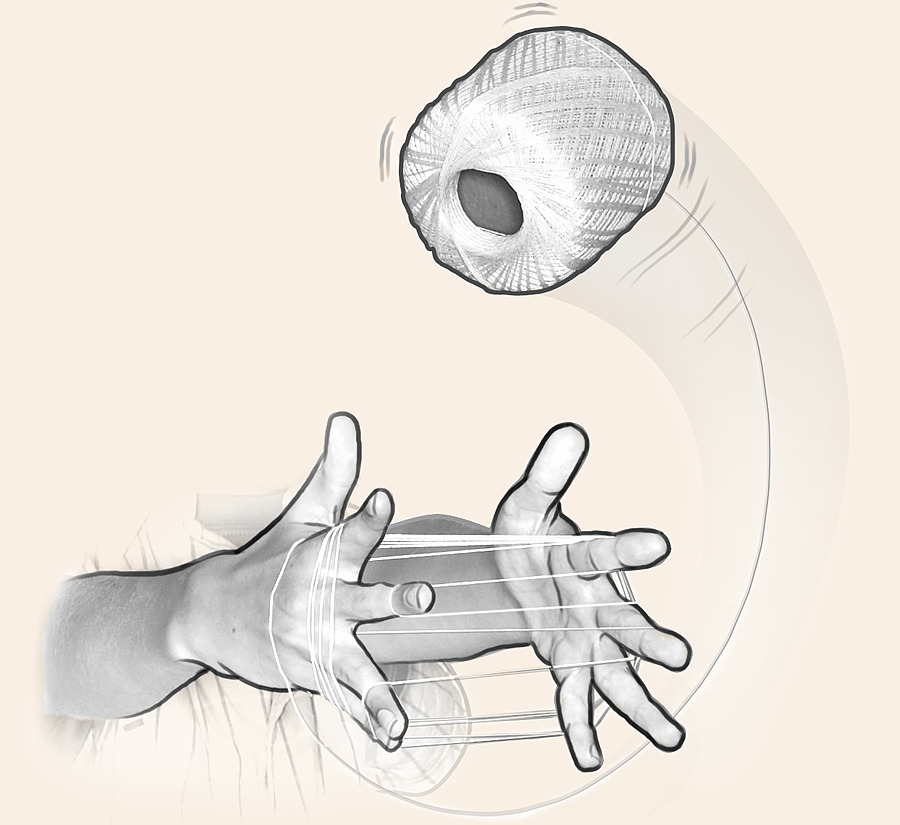
Hands being entangled with string

Pornography has a cumulative effect—the more times you view it, the harder it is to break free

Pray about it. The psalmist implored Jehovah God: “Make my eyes pass on from seeing what is worthless.” (Psalm 119:37) God wants you to succeed, and if you prayto him he can give you the strength to do what is right!—Philippians 4:13.

Talk to someone. Choosing a confidant is often an important step in breaking the habit.—Proverbs 17:17.

Remember this: Each time you avoid pornography, you have won a significant victory. Tell Jehovah God about that victory, and thank him for the strength he has given you. By avoiding pornography, you make his heart rejoice!—Proverbs 27:11.

Design a site like this with WordPress.com
Get started